How do you really feel with regards to How to Shut off Your Water When Pipe’s Burst?
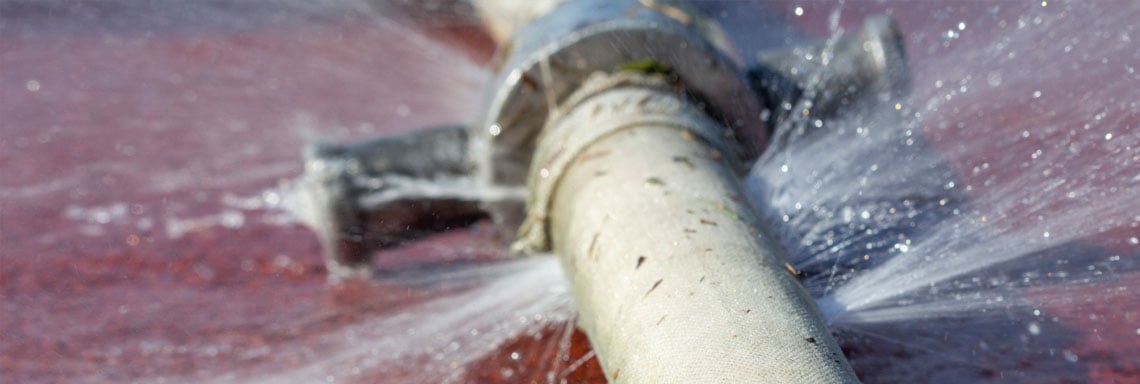
You have to recognize exactly how to shut off your primary water line if you suffer from a ruptured pipeline. Don't wait on a plumbing emergency before learning how to get this done. Besides, aside from emergency leaks, you will certainly require to switch off your primary water shutoff for plumbing repairs or if you leave for a long journey. Discover even more concerning it in this miniature overview.
Must This Constantly Be Turn off?
Aside from emergency situations, repair work, or long getaways, you may not need to shut off the main shutoff. As an example, so one fixture has concerns, you can turn off the branch valve in that place. This way, you can still use water in various other parts of the house. For finest outcomes, call a reputable plumber for emergencies.
Why Must You Shut the Main Line Off?
Acquainting on your own with just how your mainline switches on as well as off can conserve you during an emergency. As an example, when a pipe instantly bursts in your house, you'll be besieged with panic. Hence, you can readily close the valve off and also protect against much more damage if you know what to do. In addition, closing this off guarantees you do not have to take care of an unexpected flooding in your house.
In addition to that, closing as well as opening up the shutoffs once in a while guarantees they don't obtain stuck. It is likewise the most effective time for you to evaluate for rust or other busted links. Moreover, make it a point to enlighten various other relative on what to do. This makes regular upkeep and managing emergencies so much easier. You can potentially conserve yourself hundreds of dollars in repairs.
Where is This Key Shutoff Located?
The main water line supply can differ, so you may need to locate time to determine where it is. Sadly, when your house is obtaining soaked as a result of a burst pipeline, you don't have the luxury of time throughout an emergency. Thus, you need to prepare for this plumbing predicament by finding out where the valve lies.
This shutoff valve can appear like a sphere shutoff (with a lever-type manage) or a gateway shutoff (with a circle spigot). Positioning depends upon the age of your home as well as the environment in your location. Check the complying with typical areas:
Pipe Burst? Here's What to Do Next
There's nothing worse than that sinking feeling that sets in when you notice water dripping from your ceiling or — worse — gushing from a broken pipe. Many homeowners find themselves panicking as they start to tally up the water damage repair costs. Fortunately, a bit of forward planning can help you avert a total plumbing disaster.
What Happens When a Pipe Bursts?
There are several reasons that your pipes could burst, though one of the leading culprits is ice. When the temperature outside dips below freezing, the water in your pipes can freeze, too. When water freezes, it expands, putting significant pressure on your pipework.
When your pipes freeze for the first time, they may withstand the added pressure without any adverse effects. However, allowing your pipes to freeze repeatedly will gradually weaken them as they expand and contract, eventually causing them to burst or crack.
Corrosion High water pressure Blockages Invading tree roots How Do You Know If Your Pipes Have Burst?
When you mention broken pipes, most people imagine water gushing dramatically from the wall or ceiling. However, the first signs are often subtler. It's a good idea to look out for the less obvious symptoms of a major leak.
When a water pipe bursts, moisture starts seeping into your floors, ceilings and insulation, causing significant damage. Eventually, mold and mildew start to flourish, creating a potentially hazardous living environment. If you find yourself wading through puddles of water on the floor or can hear water bubbling inside the walls, you won't be left in any doubt as to whether you have a burst pipe.
Unexplained Hike in Water Bills
If your water bill suddenly shoots up for no apparent reason, it could be a sign of a burst water main. As water seeps out of the pipe, it sends your water usage sky high. Any unexpected increase in your water bills warrants further investigation.
Reduced Water Pressure
A broken water main or burst pipe means your system must work harder to maintain a supply to your faucets and other fixtures. Therefore, reduced or uneven water pressure could be a sign that you've got a leak. While there are a few potential causes of dodgy water pressure, it's important to find the reason quickly to prevent water damage.
No Flow
Reduced water pressure is inconvenient enough, but you may suddenly find that you have no water flow at all. One of the most likely reasons for a complete lack of running water is a frozen pipe. You should defrost your pipes as quickly as possible to stop them from bursting.
If you can access the frozen pipe, you could try defrosting it yourself. Turn on the central heating to around 70 degrees and use a gentle heat source like a hairdryer or infrared lamp to warm the pipe up gradually — never use a blowtorch or other open flame. If the pipe is inaccessible or your efforts aren’t fruitful, call a plumber to defrost the pipes for you.
Damp Patches in Your Home or Yard
As water flows out of a burst pipe, you may notice damp or discolored patches on your walls, floors or ceilings. If the leak happens under a tiled floor, it could make the tiles feel wobbly or unstable.
Don't forget to look for exterior signs of a burst pipe. Depending on the location, you may also see puddles, depressions or wobbly pavement in your yard.
https://www.homeserve.com/en-us/blog/home-improvement/frozen-pipe-burst/
I found that write up on while doing a lookup on the web. Sharing is nice. Who knows, you may just be doing someone a favor. Many thanks for your time. Come back soon.
Resolve today, call!